Understanding 124.6.128.20: What This IP Address Reveals About Digital Infrastructure
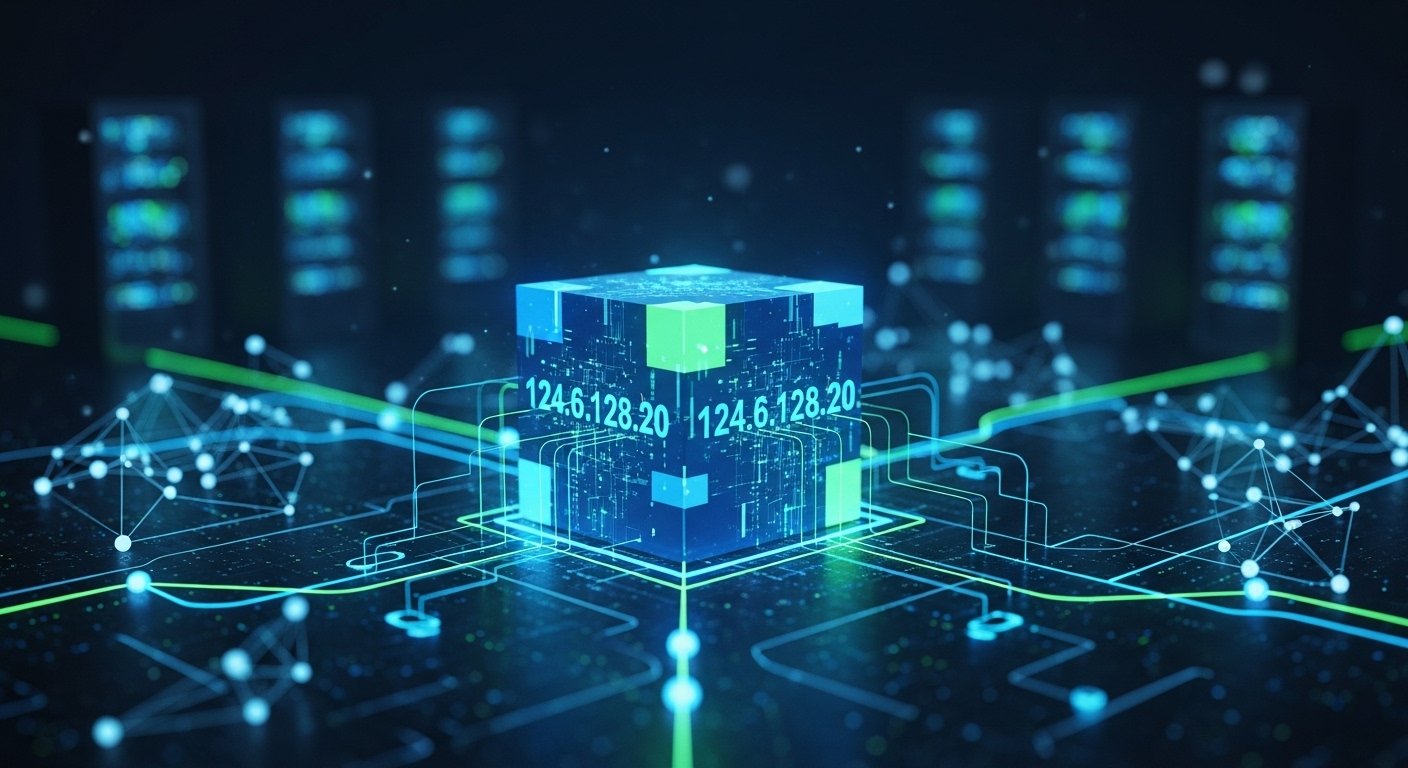
In the vast ecosystem of the internet, every device communicates through a unique identifier. One such identifier is 124.6.128.20, an IP address that may look like a simple string of numbers but plays a critical role in network communication. Whether you encountered 124.6.128.20 in server logs, analytics data, firewall alerts, or cybersecurity reports, understanding what it represents can help you make informed technical decisions.
What Is an IP Address?
An IP (Internet Protocol) address is a numeric label assigned to devices connected to a network. It allows data to travel between computers, servers, routers, and other digital systems. Without IP addresses, the internet simply would not function.
The format of 124.6.128.20 indicates it is an IPv4 address. IPv4 uses four sets of numbers separated by periods, each ranging from 0 to 255. This structure enables billions of unique combinations, though the total supply of IPv4 addresses has largely been allocated worldwide.
When analyzing 124.6.128.20, the structure itself tells us several things:
- It belongs to the IPv4 class.
- It is a public address (not reserved for private networks).
- It can potentially be linked to a hosting provider, ISP, or enterprise infrastructure.
Public vs Private IP Addresses
To understand 124.6.128.20 more deeply, it’s important to distinguish between public and private IP ranges.
Private IP addresses are used inside local networks and cannot be accessed directly from the internet. Public IP addresses, on the other hand, are routable across the web. Since 124.6.128.20 does not fall into any private IP range (such as 192.168.x.x or 10.x.x.x), it is classified as a public IP address.
This means 124.6.128.20 can be associated with:
- A web server
- A cloud infrastructure node
- A corporate network gateway
- Or even an ISP-assigned residential address
The context in which 124.6.128.20 appears determines its practical significance.
Why You Might See 124.6.128.20 in Logs
There are several reasons why 124.6.128.20 could appear in your system logs or analytics reports.
1. Website Visitor Activity
If you manage a website, 124.6.128.20 may appear in your access logs as a visitor IP address. This indicates that a device using that IP requested resources from your server.
2. Server Communication
In enterprise networks, 124.6.128.20 could represent another server interacting with your infrastructure via API calls, database requests, or application traffic.
3. Security Monitoring
Cybersecurity tools often flag unknown IP addresses. If 124.6.128.20 triggered a firewall rule or intrusion detection alert, it may require further investigation to determine whether the activity was legitimate or suspicious.
Understanding context is key. The IP alone does not determine intent.
How to Analyze 124.6.128.20 Safely
If you encounter 124.6.128.20 during technical analysis, consider the following approach:
Check Geolocation Data
IP geolocation services can estimate the country or region associated with 124.6.128.20. While not always 100% accurate, this provides a general idea of origin.
Review Activity Patterns
Look at timestamps, request frequency, and access behavior. If 124.6.128.20 accessed your server once, it may simply be normal traffic. If it generated thousands of requests per minute, that could indicate automated activity.
Examine Reverse DNS Records
Reverse DNS lookup can sometimes reveal whether 124.6.128.20 belongs to a hosting provider, enterprise network, or consumer ISP.
Cross-Reference Threat Intelligence
Security teams often compare IP addresses like 124.6.128.20 against threat intelligence databases to identify known malicious activity.
Potential Security Implications
Not every unfamiliar IP address is dangerous. However, repeated or unusual activity from 124.6.128.20 should be evaluated carefully.
Possible scenarios include:
- Automated bots scraping content
- Vulnerability scanning attempts
- Credential stuffing attacks
- Legitimate API integrations
Instead of blocking 124.6.128.20 immediately, it’s better to analyze behavior patterns. False positives can disrupt valid users or services.
Implementing rate limiting, firewall rules, and monitoring systems ensures that traffic from 124.6.128.20 is handled intelligently rather than reactively.
The Role of 124.6.128.20 in Network Architecture
From an architectural standpoint, 124.6.128.20 is part of the broader IPv4 routing structure. Each segment of the address contributes to network hierarchy.
The first octet (124) falls within a range historically categorized under Class A public networks, though modern networking uses CIDR (Classless Inter-Domain Routing) rather than rigid classes.
Network administrators may assign blocks of addresses including 124.6.128.20 to data centers, ISPs, or corporate networks. Depending on subnet configuration, it could represent:
- A single dedicated server
- A virtual machine in a cloud environment
- A NAT gateway endpoint
- Or a routing interface
Its function depends entirely on allocation and configuration.
Best Practices When Handling Unknown IPs
When dealing with addresses like 124.6.128.20, follow these best practices:
- Log everything before taking action.
- Analyze traffic volume and request types.
- Avoid permanent blocking without evidence.
- Use layered security controls.
- Monitor for recurring patterns over time.
Reacting without context can create more problems than the original traffic.
Conclusion
At first glance, 124.6.128.20 appears to be nothing more than a numeric identifier. In reality, it represents a functional endpoint within the global internet infrastructure. Whether it shows up in your logs as a visitor, a server peer, or a flagged address in your firewall, understanding its role requires context-driven analysis.
Instead of assuming malicious intent, evaluate traffic behavior, investigate ownership details, and apply intelligent monitoring strategies. By treating IP addresses like 124.6.128.20 as data points rather than threats, you maintain both security and operational stability.