183.63.127.22: Understanding the Meaning and Implications of This IP Address
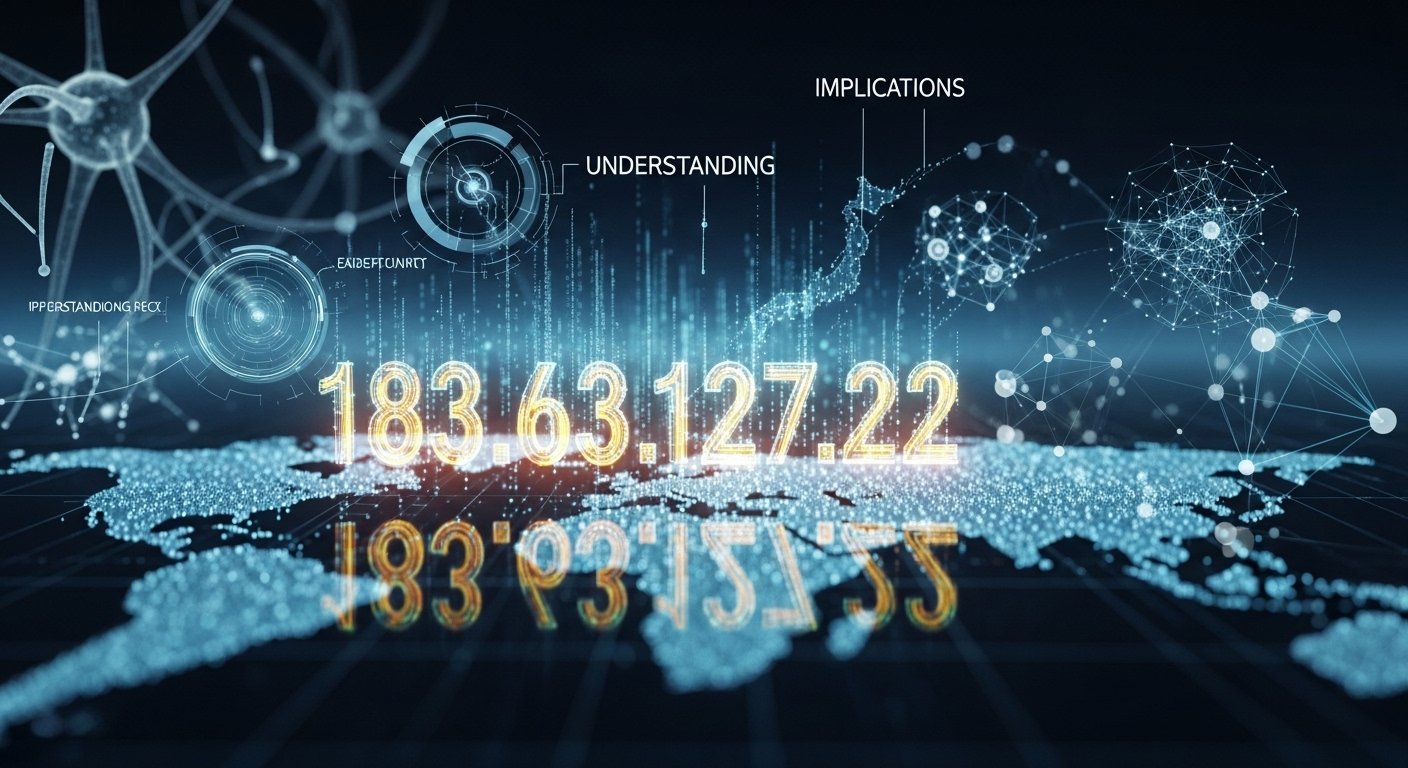
In today’s connected world, every device that communicates online is identified by an IP address. One such example is 183.63.127.22, a numerical label that may appear in server logs, analytics reports, or network monitoring tools. While it might look like just a random string of numbers, 183.63.127.22 can reveal useful insights about network activity, geographic origin, and potential security concerns when properly analyzed.
Understanding what 183.63.127.22 represents requires a basic knowledge of how IP addressing works and how network data flows across the internet. Let’s explore what this address means, how it functions, and why it matters.
What Is an IP Address?
An IP (Internet Protocol) address is a unique identifier assigned to devices connected to a network. The format of 183.63.127.22 indicates it is an IPv4 address, consisting of four numerical segments separated by periods. Each segment ranges from 0 to 255, forming a 32-bit address.
Whenever someone visits a website, sends an email, or accesses an online service, their device uses an IP address to communicate. If you see 183.63.127.22 in your logs, it means a device using that address interacted with your system in some way.
IP addresses can be static (permanent) or dynamic (temporary). In many cases, addresses like 183.63.127.22 are dynamically assigned by Internet Service Providers to users for a limited period.
Geographic and Network Identification
One common reason people investigate 183.63.127.22 is to determine its geographic origin. IP addresses are allocated in regional blocks by global authorities and then distributed to service providers. By analyzing 183.63.127.22, network tools can estimate its country, region, or ISP.
It’s important to note that IP-based location is approximate. While 183.63.127.22 may point to a specific country or city range, it cannot provide an exact street-level location. Businesses use this information for analytics, fraud detection, and targeted services.
For example, if repeated traffic from 183.63.127.22 appears in your server records, you may want to understand whether it represents legitimate users from a specific region or automated traffic.
Why 183.63.127.22 Might Appear in Your Logs
Seeing 183.63.127.22 in your website or firewall logs can happen for several reasons:
1. Normal User Activity
A real person may have visited your website using a device temporarily assigned the IP 183.63.127.22. In this case, the appearance is completely harmless.
2. Automated Bots or Crawlers
Search engine bots and automated tools regularly scan websites. If 183.63.127.22 appears frequently with repetitive requests, it may indicate bot activity.
3. Suspicious or Malicious Attempts
In some cases, repeated login attempts, unusual request patterns, or vulnerability scans linked to 183.63.127.22 could suggest malicious intent. Network administrators often monitor IP addresses closely to prevent cyber threats.
Understanding context is crucial. An IP address alone does not confirm malicious behavior—it only provides a starting point for investigation.
How Network Administrators Analyze 183.63.127.22
Security teams use several methods to evaluate addresses like 183.63.127.22:
Log Pattern Analysis
By reviewing timestamps and request types, administrators determine whether traffic from 183.63.127.22 follows normal browsing behavior or automated scanning patterns.
Rate Limiting and Blocking
If 183.63.127.22 generates excessive requests in a short time, temporary blocking or rate limiting may be applied to protect system resources.
Reputation Checking
Certain IPs accumulate reputations based on past activity. If 183.63.127.22 has previously been associated with spam or attacks, security tools may flag it automatically.
These actions help maintain system stability without unfairly restricting legitimate users.
Privacy and Legal Considerations
It’s important to handle IP addresses responsibly. Although 183.63.127.22 identifies a network connection, it does not directly reveal a person’s identity. Privacy regulations in many regions treat IP addresses as personal data when combined with other identifying information.
Website owners should ensure that logging and analysis of 183.63.127.22 complies with relevant privacy standards. Transparency and proper data handling practices build trust and protect businesses legally.
Can 183.63.127.22 Be Traced to an Individual?
A common misconception is that an IP address alone can identify someone’s exact identity. In reality, tracing 183.63.127.22 to a specific person requires cooperation from the Internet Service Provider and often legal authorization.
Most residential IPs are shared among many users over time. Therefore, 183.63.127.22 might belong to different individuals at different moments. This dynamic nature makes direct identification difficult without official processes.
When Should You Take Action?
If 183.63.127.22 appears once or twice in logs without suspicious behavior, no action is typically required. However, consistent unusual patterns—such as repeated failed login attempts or aggressive crawling—may justify closer monitoring.
Instead of immediately blocking 183.63.127.22, it’s best to:
- Analyze traffic behavior
- Check request frequency
- Compare activity with normal patterns
- Apply security rules proportionally
Balanced responses ensure security without affecting legitimate visitors.
The Broader Importance of IP Awareness
Understanding addresses like 183.63.127.22 helps website owners and administrators make informed decisions. IP awareness supports:
- Stronger cybersecurity
- Better traffic analytics
- Smarter resource allocation
- Improved fraud detection
Rather than viewing 183.63.127.22 as just a string of numbers, it should be seen as a data point within a larger network ecosystem.
Conclusion
At first glance, 183.63.127.22 may appear insignificant, but IP addresses play a critical role in internet communication and security. Whether it represents a regular visitor, a search engine bot, or suspicious activity depends entirely on context and behavior patterns.
By understanding how 183.63.127.22 functions within network systems, administrators can monitor traffic effectively, protect digital assets, and maintain a balanced approach to security. Knowledge—not assumptions—is the key to interpreting IP data accurately.